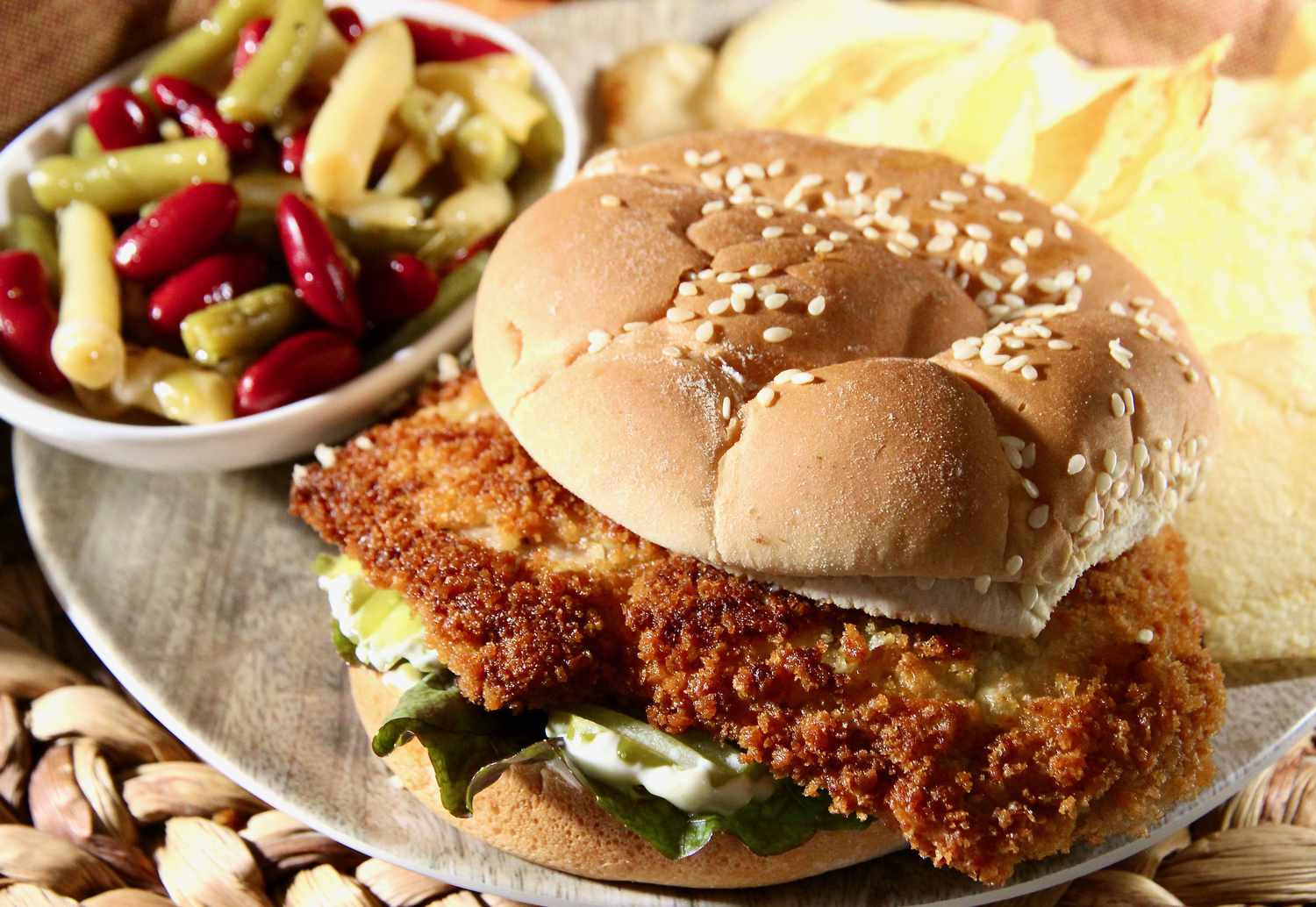
The Art of the Perfect Pork Tenderloin Sandwich: Beyond the Basics
Few sandwiches evoke the same sense of nostalgic comfort and satisfying crunch as the classic pork tenderloin sandwich. A beloved staple, particularly in the American Midwest, this dish transforms a humble cut of pork into a culinary delight. While the basic concept—a thinly pounded, breaded, and fried pork cutlet served on a bun—is simple, achieving a truly exceptional sandwich requires attention to detail and a touch of finesse. This article, building upon foundational knowledge found in resources like pork tenderloin sandwich recipe - Article 1, will guide you through elevating your homemade pork tenderloin sandwich from good to unforgettable, exploring advanced tips for preparation, frying, and assembly that make all the difference.
The beauty of a perfect pork tenderloin sandwich lies in its contrasts: the crispy, golden-brown exterior giving way to tender, juicy pork, all nestled in a soft bun with a medley of fresh toppings. It's a symphony of textures and flavors that, when done right, can rival any gourmet offering. We’ll delve into how to select the best ingredients, master the pounding technique, achieve the ultimate crispiness, and choose complementary toppings to create a sandwich that will have everyone asking for your secret.
Choosing Your Tenderloin and Preparing for Perfection
The journey to a superb pork tenderloin sandwich begins with the star ingredient: the pork tenderloin itself. Choosing the right cut and preparing it meticulously are paramount for a tender, flavorful outcome.
Selecting and Trimming the Tenderloin
- Quality First: Look for a fresh, pale pink pork tenderloin with minimal visible fat. A tenderloin typically weighs between 1 to 1.5 pounds and is elongated.
- Trimming: Before pounding, you'll need to trim the tenderloin. Remove the silver skin (a tough, silvery membrane) using a sharp knife. Gently slide the knife underneath the silver skin and slice it away from the meat. Also, trim off any excess fat or connective tissue. A clean tenderloin ensures uniform tenderness.
Mastering the Pounding Technique
This is arguably the most critical step for a truly authentic pork tenderloin sandwich. The goal is to achieve a very thin, even cutlet that cooks quickly and develops a large surface area for breading.
- Slice Consistently: Cut the trimmed tenderloin into 3/4-inch to 1-inch thick medallions. For a more traditional, larger sandwich, you might butterfly a thicker section or pound out an entire smaller tenderloin.
- Protect and Pound: Place each medallion between two sheets of plastic wrap or inside a large freezer bag. This prevents the meat from tearing and keeps your work surface clean.
- Even Thickness: Using a meat mallet (the flat side is usually best for tenderloins), start pounding from the center outwards, working your way to the edges. Aim for an even thickness of about 1/4 inch or even thinner if you're feeling adventurous (some traditionalists go as thin as 1/8 inch!). The goal is consistency to ensure even cooking.
- Seasoning: Lightly season both sides of your pounded pork cutlets with salt and freshly ground black pepper before breading. For an extra layer of flavor, consider a quick, light dredge in seasoned flour (paprika, garlic powder, onion powder can be added) even before the full breading process.
The Breading Station: Keys to Adhesion and Crispness
A successful breading adheres firmly and fries to a golden, crispy perfection. Set up a classic three-station breading assembly:
- Flour: All-purpose flour seasoned with a pinch of salt and pepper. For a subtle flavor boost, add a touch of garlic powder or smoked paprika.
- Egg Wash: 2-3 large eggs, lightly beaten with a tablespoon of milk or water. This acts as the binder.
- Breadcrumbs: While regular breadcrumbs work, panko breadcrumbs are highly recommended for their superior crispiness and lighter texture. You can also mix in a tablespoon of grated Parmesan cheese for a savory depth.
Dredge each pounded cutlet first in flour (shaking off excess), then dip in the egg wash (allowing excess to drip off), and finally coat generously in breadcrumbs, pressing gently to ensure full adhesion. Place the breaded cutlets on a wire rack while you finish the rest. For best results, allow the breaded cutlets to rest in the refrigerator for 15-30 minutes; this helps the breading adhere better during frying. For more on essential preparation steps, you might find valuable insights in pork tenderloin sandwich recipe - Article 2.
Frying Techniques for Maximum Crispness (and Flavor!)
Frying is where the magic happens, transforming the breaded pork into a crispy, golden delight. The right technique is crucial for achieving that perfect crunch without overcooking the tenderloin.
Choosing the Right Oil and Temperature
- Oil Selection: Opt for a neutral-flavored oil with a high smoke point, such as vegetable oil, canola oil, peanut oil, or sunflower oil. These oils can withstand the necessary high temperatures without burning or imparting off-flavors.
- Temperature Control is Key: Heat your oil to 350-375°F (175-190°C). An accurate oil thermometer is your best friend here. If the oil isn't hot enough, the breading will absorb too much oil and become greasy; if it's too hot, the breading will burn before the pork is cooked through.
Pan-Frying vs. Deep-Frying
Both methods can yield excellent results, depending on your equipment and preference.
- Pan-Frying: Use a large, heavy-bottomed skillet (cast iron works wonderfully) with about 1/2 to 1 inch of oil. This method gives you great control over the browning. Fry one or two cutlets at a time to avoid overcrowding the pan, which would lower the oil temperature and lead to soggy breading. Cook for 2-3 minutes per side, until golden brown and the internal temperature of the pork reaches 145°F (63°C).
- Deep-Frying: If you have a deep fryer or a Dutch oven, deep-frying can achieve a more uniform crispness. Ensure the pork is fully submerged. Deep-fry for 2-4 minutes, or until deeply golden and cooked through.
Regardless of the method, ensure the pork is cooked through but not overdone. Pork tenderloin cooks very quickly due to its thinness.
Draining and Holding for Best Results
Once fried, immediately transfer the cutlets to a wire rack set over a baking sheet. This allows air to circulate around the cutlets, preventing the bottom from becoming soggy. Lightly sprinkle with a pinch of salt while still hot to enhance flavor. If cooking multiple batches, you can keep the finished cutlets warm in a low oven (around 200°F/95°C) on the wire rack.
Assembling Your Masterpiece: Buns, Toppings, and Spreads
A great pork tenderloin sandwich isn't just about the pork; it's also about the supporting cast of components that come together in a harmonious bite. The bun and toppings are just as critical as the perfectly fried cutlet.
The Importance of the Bun
The traditional choice is a simple, soft white hamburger bun, often slightly toasted. This allows the pork to be the star. However, don't be afraid to experiment:
- Classic White Bun: Soft, holds up well, and doesn't compete with the pork's flavor. Toast lightly.
- Kaiser Roll: Offers a bit more chew and structural integrity for larger cutlets.
- Brioche Bun: For a richer, slightly sweeter experience, a toasted brioche bun can be a delightful choice, offering a nice contrast to the savory pork.
Always toast your bun! A lightly toasted bun adds texture, prevents sogginess, and provides a warm foundation for your sandwich.
Classic and Creative Toppings
The beauty of the pork tenderloin sandwich is its versatility. While traditionalists often stick to the basics, there's room for creativity.
- The Classics:
- Dill Pickle Slices: Essential for their tangy crunch, cutting through the richness of the fried pork.
- Yellow Mustard: The quintessential condiment, adding a sharp, piquant note.
- Thinly Sliced Raw Onion: Offers a bite and pungent freshness.
- Elevated & Creative Toppings:
- Spicy Mayo or Aioli: A touch of heat and creaminess.
- Creamy Coleslaw: Adds crunch, tang, and a cooling element.
- Lettuce and Tomato: For freshness and a more substantial vegetable component.
- Caramelized Onions: A sweet and savory alternative to raw onion.
- Swiss or Provolone Cheese: Melted over the hot cutlet for a gooey addition.
- Bacon: Because everything's better with bacon!
Assembling for Success
The order of assembly can impact the overall experience. A good approach is to spread your chosen condiment on both halves of the toasted bun, place the hot pork cutlet on the bottom bun, then layer your pickles, onions, and any other toppings on top. Place the top bun, press gently, and serve immediately.
Side Dishes and Pairing Suggestions
No perfect sandwich is complete without the right accompaniment. A well-chosen side dish can enhance the entire meal, complementing the rich flavors of your pork tenderloin sandwich.
- Classic Fries: Golden, crispy French fries or sweet potato fries are an undeniable crowd-pleaser and a perfect textural match.
- Onion Rings: Another fried favorite, onion rings offer a different flavor profile and satisfying crunch.
- Creamy Coleslaw: The cool, tangy, and crunchy nature of coleslaw provides a refreshing contrast to the warm, fried pork.
- Potato Salad: A hearty, creamy potato salad can be a comforting and filling side.
- Simple Green Salad: For a lighter option, a fresh green salad with a vinaigrette dressing can balance the meal.
- Baked Beans: Sweet and savory baked beans offer a rich, smoky side that pairs wonderfully.
For beverages, consider a crisp, refreshing craft beer (like a lager or a pale ale), a classic iced tea, or even a sparkling lemonade to cut through the richness of the fried pork.
Conclusion
The pork tenderloin sandwich is more than just a meal; it's a testament to simple ingredients elevated through thoughtful preparation. By focusing on quality pork, mastering the pounding technique, perfecting your breading and frying, and thoughtfully assembling your sandwich with complementary toppings, you can create a culinary masterpiece in your own kitchen. Whether you stick to the time-honored classic or experiment with gourmet variations, the satisfaction of biting into a perfectly crispy, juicy, and flavorful pork tenderloin sandwich is unparalleled. So, gather your ingredients, fire up the fryer, and prepare to indulge in this iconic American comfort food.
